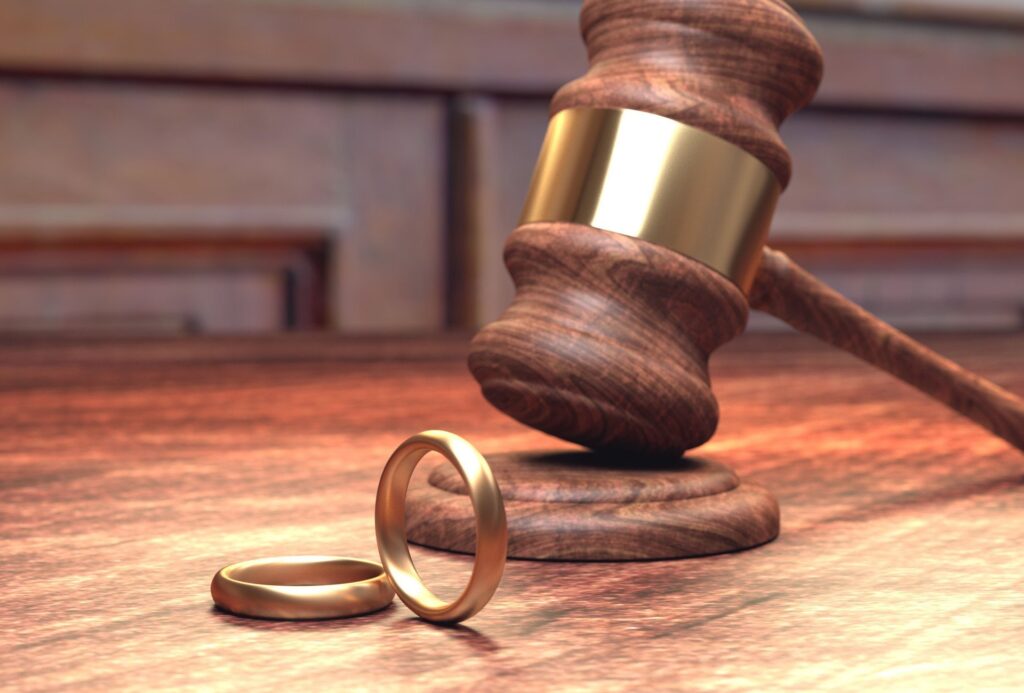
Divorce is a procedure that permanently dissolves the bonds of marriage. This procedure follows specific rules. Discover in this article the essentials to know about the divorce process.
Legal separation: a disguised form of divorce
Legal separation is by no means divorce. Indeed, the procedures for legal separation and divorce are similar; however, their outcomes are different.
Divorce leads to the dissolution of marriage, while legal separation is a factual separation recognized by law. In this case, the bonds of marriage still remain. Furthermore, under legal separation, partners are no longer required to live under the same roof.
Moreover, legal separation results in the establishment of a separation of property regime. However, other obligations still hold value. These include the obligation of fidelity, the duty of support, and assistance between spouses. Besides these obligations, one spouse may retain the use of the other spouse’s name.
Legal separation allows spouses to continue enjoying the financial benefits of marriage despite the absence of physical contact. Additionally, legal separation enables partners to benefit from the advantages of marriage.
The different divorce procedures
There are 4 types of divorce procedures.
Mutual consent divorce
This form of procedure is characterized by being non-contentious. It is referred to as an amicable divorce because the spouses are not in conflict. Indeed, during this procedure, the partners are in complete agreement and decide together to end the bonds of marriage.
Moreover, this procedure assumes that the partners have issues related to the effects of the dissolution of marriage. The following points will not be a source of conflict between the partners: the division of property and child custody.
Divorce by acceptance of the principle of marriage dissolution
Here, both partners agree to dissolve the bonds of marriage. However, a dispute exists regarding the consequences of the divorce. To resolve this dispute, it is necessary to involve a judge who will determine the different aspects to apply after the divorce procedure.
Divorce for definitive alteration of the marital bond
This form of divorce allows one spouse to obtain a divorce without the consent of the other spouse. However, no fault exists in this procedure. You can also seek the services of a lawyer to divorce quickly.
It should be noted that this form of divorce demonstrates the breakdown of common life between spouses for at least two years.
Divorce for fault
Divorce for fault is a contentious procedure. This procedure is employed by a spouse who wishes to obtain a divorce following serious faults. These faults are often related to breaches of marital duties.
The petitioner must therefore provide evidence of the allegations to succeed in their claim. However, the marriage remains in effect during the divorce procedure. The bonds of marriage are dissolved at the time of the final pronouncement of the divorce. Therefore, during this waiting period, it is advisable for spouses to avoid committing serious faults.