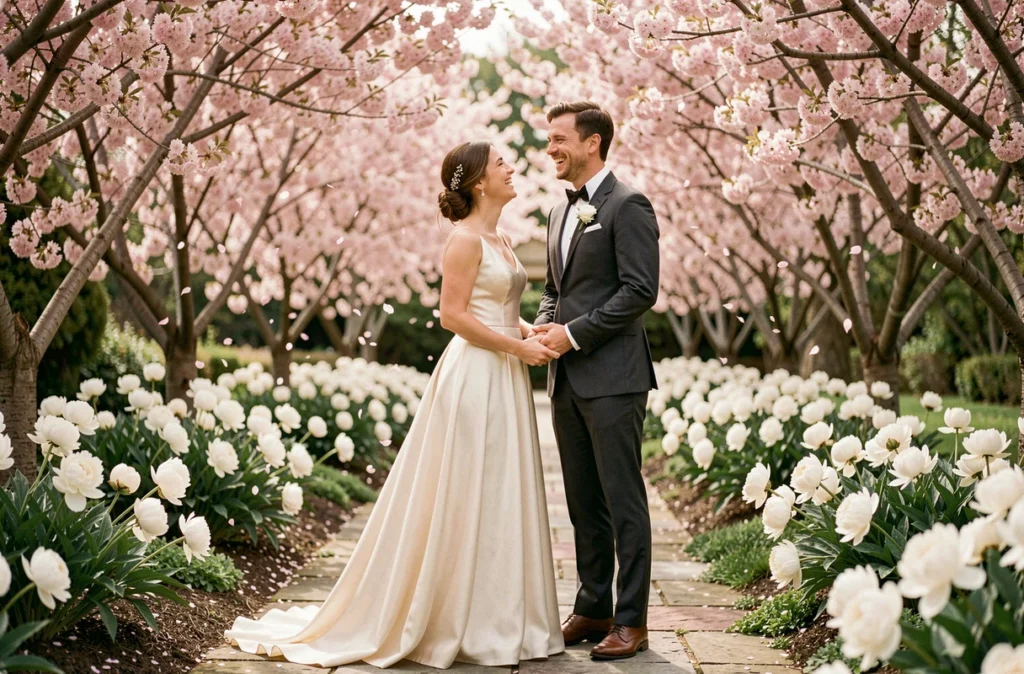
A couple booking a venue in Dordogne for late September often pays less than in July, finds a more available caterer, and benefits from ideal low-angle light for photos. The choice of season for a wedding is not just about aesthetic preference: it influences the budget, logistics, and guest comfort much more than one might think.
Hidden costs of an outdoor wedding by season
It is often thought that an outdoor wedding costs less than a reception in a castle or a closed venue. In practice, this is rarely the case. According to Mariage Pratique, additional expenses related to the outdoors can include a backup tent, equipment transport, temporary electrical installation, furniture, cleaning, and insurance.
These costs can quickly add up in summer when the demand for tents and generators is at its peak. An outdoor wedding can be more expensive than an indoor reception, even off-season, when adding these ancillary costs that the venue rental price does not reflect.
In autumn or winter, some of these costs decrease (less need for oversized tents in a heated room), but others arise: supplementary heating, lighting earlier in the day. Therefore, the choice of season must be evaluated item by item, not just based on the displayed price of the venue.
To better understand the impact of the season on Actu Mariage, it is noted that each time of year redistributes budget lines differently.
Autumn wedding: why professionals believe in it
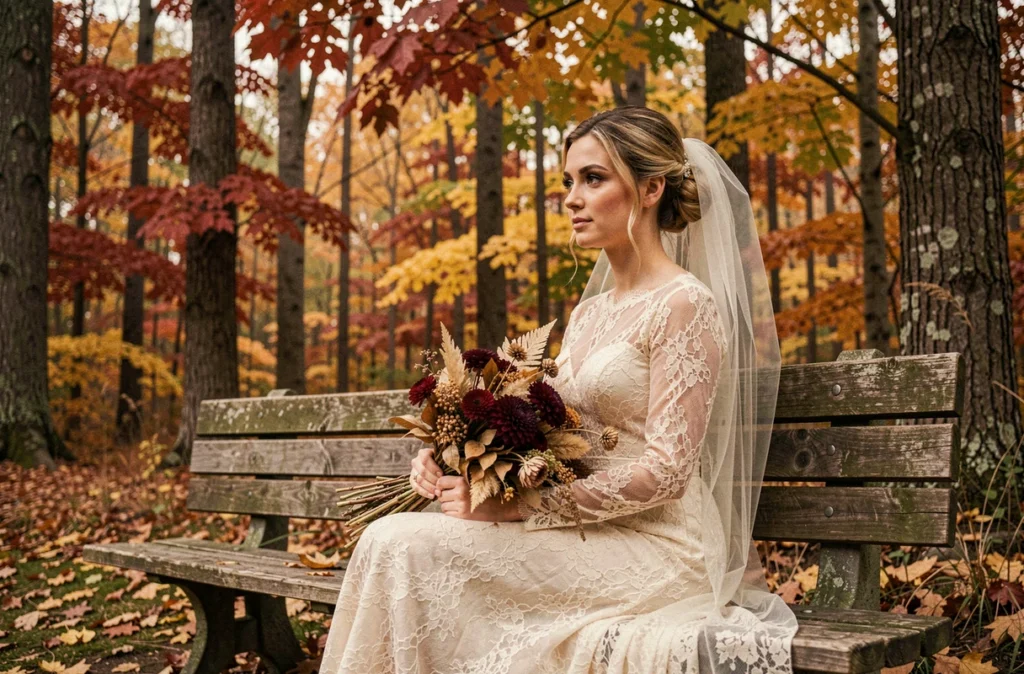
The wedding calendar no longer stops on August 31. Professionals from Dordogne and Lot-et-Garonne, interviewed by Sud Ouest in September 2026, observe a gradual shift of ceremonies into October. Venues are cheaper, caterers are less busy, and couples have more room to negotiate.
Autumn weddings are gaining ground each year. The golden light of September-October provides photographic conditions that many professionals prefer to the harsh light of July. The natural color palettes (ochre, burgundy, forest green) also simplify decoration work.
Constraints to anticipate for an autumn wedding
The weather remains the main risk. We are not talking about a passing drizzle, but entire days of rain in October depending on the regions. Planning an indoor backup plan is not optional; it is a logistical imperative.
Nights fall earlier: in October, natural light fades around 7 PM. The outdoor cocktail must be scheduled for early afternoon if natural light photos are desired. The flow of the day changes radically compared to a summer wedding where the sun sets after 9 PM.
Noise regulations and venue choice
It is often forgotten, but noise regulations vary by municipality and type of venue. A venue that usually plays amplified music may be subject to a noise impact study. The rules differ between an enclosed space and an open space, and municipal decrees add a layer of local constraints.
In summer, windows are open, neighbors are outside, and complaints about noise are more frequent. A winter wedding, with closed doors, in an isolated venue poses fewer acoustic problems. This is not just an aesthetic detail: it is a criterion that can limit the choice of DJ, the end time of the evening, or even the venue itself.
Points to check before signing with a venue
- The existence of a municipal decree setting hours for the end of amplified music (often between 1 AM and 3 AM depending on the municipality)
- The distance between the venue and the nearest residences, which directly influences the tolerated noise level
- The presence or absence of a closed room for the dancing party, necessary if the venue is in a residential area
- The potential obligation of a prior declaration to the town hall for events exceeding a certain number of guests
Winter wedding: reduced budget but increased logistics
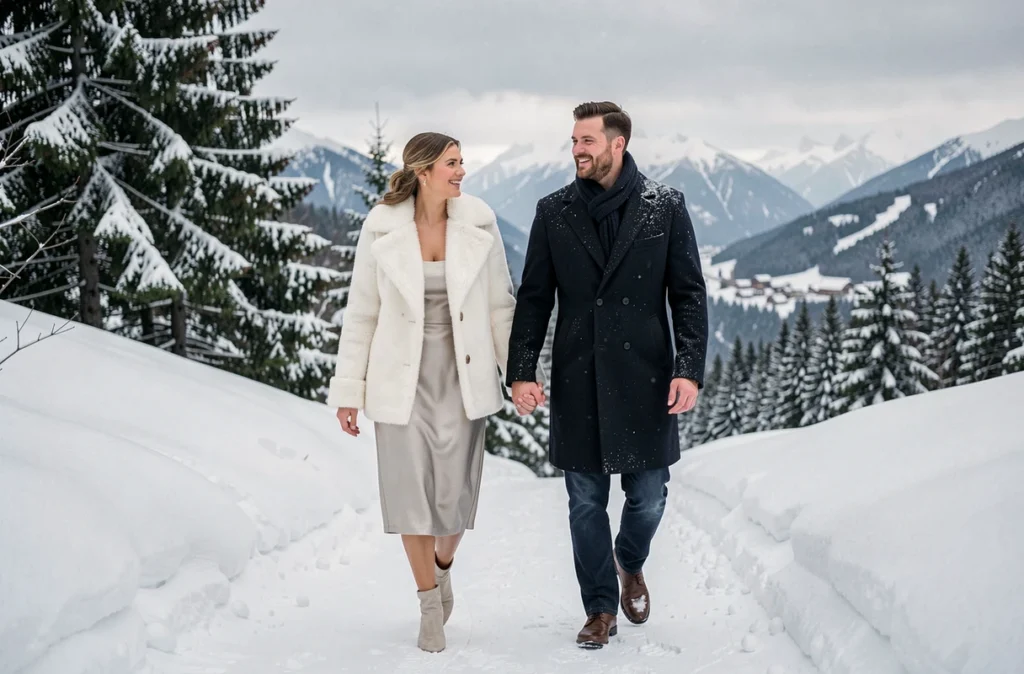
A wedding between December and February offers the lowest rates for venues, service providers, and accommodations for guests. Off-season, the availability of providers allows for negotiating tailored services. A photographer or DJ booked in July will not have the same time to dedicate to scouting as in January.
The trade-off is logistical. Transporting guests on potentially icy roads, heating a stone castle, managing coats and spare shoes: all of this requires tighter organization.
What changes concretely for guests
Feedback varies on this point, but a winter wedding tires guests less than a July day at 35 °C. No sunburn, no running makeup, no dehydrated children. However, guests traveling from afar are more hesitant to travel in mid-winter, especially if the venue is rural.
- Plan a shuttle service from the nearest train station or hotel to secure transportation
- Communicate the winter dress code in advance (guests in light dresses at -2 °C enjoy nothing)
- Anticipate a heating budget that can represent a significant item in an old, uninsulated venue
The choice of season for a wedding is based on a trade-off between budget, guest comfort, and the technical constraints of the venue. Couples who shift their date to autumn or winter gain financial flexibility and availability of providers. The best month is the one where the chosen venue works best, not the one dictated by habit on the calendar.