
When taking a saffron-based supplement to stabilize mood or sleep better, the question of weight always comes up. Safralite, formulated by the Codifra laboratory around a titrated saffron extract, is presented as a support for emotional balance. However, one can also read on forums and in online reviews questions about a possible link between Safralite and weight variation. Here’s what the available data really allows us to affirm.
Emotional Eating and Saffron: The Mechanism That Really Matters
The most common reflex when it comes to a dietary supplement is to look for a fat-burning effect or a measurable impact on basal metabolism. With Safralite, this avenue leads nowhere. No published data shows a direct effect on metabolism or on how the body stores or releases fat.
The link to weight goes through another path. When stress or a drop in mood sets in, emotional eating becomes a frequent compensatory mechanism. We eat not out of hunger, but to soothe discomfort. Quick sugars, fatty snacks, excessive portions at the end of the day: these eating behaviors weigh on the scale much more than any supposed metabolic slowdown.
Saffron, the active ingredient in Safralite, acts on mood. By supporting emotional balance, it can reduce this need for food compensation. It’s an indirect but concrete effect: fewer food compulsions related to stress often means better-controlled caloric intake. To delve deeper into the topic of Safralite and weight gain, several user feedbacks support this.
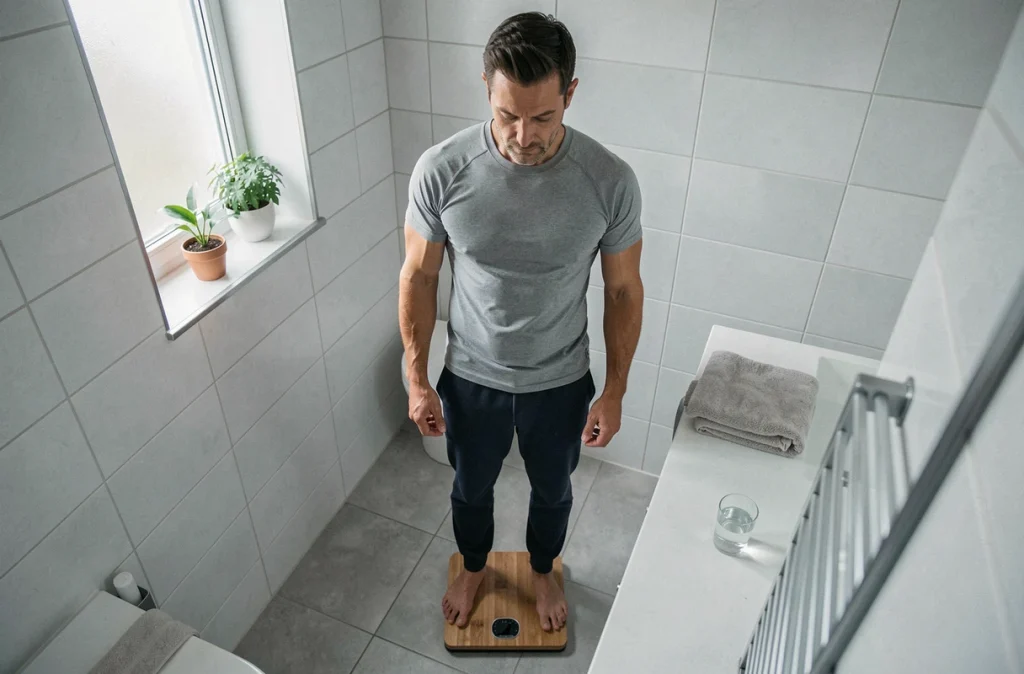
Safralite and Weight Gain: Why Confusion Persists
This confusion is found with many dietary supplements. A product that acts on stress or sleep is often associated with weight gain, sometimes wrongly. Medical sources remind us that iatrogenic weight variations (related to treatment) mainly concern certain medications: neuroleptics, antidepressants from certain classes, corticosteroids, antiepileptics. These molecules directly modify appetite, fat storage, or water retention.
Safralite does not fall into this category. It is not a medication; it is a plant-based dietary supplement. Its composition (saffron extract, often combined with B vitamins) does not include any active ingredient known to promote fat storage.
Feedback varies on this point: some people report slight weight gain at the beginning of the treatment, while others report stabilization. These variations are most often explained by concomitant changes in habits (better sleep altering appetite, reduced stress lowering energy expenditure) rather than by a pharmacological effect of the product itself.
Sleep, Stress, and Weight Balance: The Real Determinants
Looking to Safralite for the cause or solution of weight variation is akin to looking in the wrong place. The main determinants are well identified:
- Daily diet, particularly the share of ultra-processed foods and added sugars, directly drives caloric intake and insulin response
- Regular physical activity maintains muscle mass and resting metabolism, two factors that matter more than any supplement
- Sleep influences the regulation of hunger hormones: insufficient or poor-quality sleep leads to eating more, often more fatty and sugary foods
- Chronic stress elevates cortisol, a hormone that promotes abdominal storage and amplifies sugar cravings
A dietary supplement does not replace any of these four pillars. Safralite can act as support on two of them (stress and sleep), which gives it a supplementary role, not an autonomous solution.
What Safralite Can Really Offer
Its interest lies in managing emotional terrain. When going through a period of overwork or mild mood disorders, saffron helps reduce irritability and low morale that trigger compensatory eating behaviors. It’s a supportive effect, not a strictly therapeutic effect.
Griffonia, sometimes associated with saffron in certain formulations, provides 5-HTP, a precursor of serotonin. This neurotransmitter plays a recognized role in regulating appetite and satiety. Again, the effect remains indirect and variable among individuals.

Safralite and Metabolism: Distinguishing Realistic Expectations from Groundless Promises
Sometimes it is said that saffron speeds up metabolism. This claim is not based on any solid data in the context of a dietary supplement dosed like Safralite. Stimulating metabolism primarily involves muscle mass and physical activity, not a capsule.
What is realistic, however:
- Better stress management can limit cortisol spikes, which indirectly slows abdominal storage
- Improved sleep better regulates hunger hormones (ghrelin and leptin), which helps maintain a stable weight
- A more balanced mood reduces the frequency of emotional eating, the main vector of excess calories outside of meals
None of these effects constitute active weight loss. Rather, we are talking about a hormonal and behavioral environment more favorable to maintaining a stable weight.
Should One Worry About Weight Gain While Taking Safralite?
No, except in particular situations. If weight gain occurs during a treatment, one should first examine the classic factors: dietary changes, decreased physical activity, changes in medical treatment. Attributing weight variation to a dietary supplement without examining these parameters leads to false conclusions.
In case of persistent doubt, follow-up with a healthcare professional allows for sorting out correlation from causation. Safralite remains a supportive product whose role is limited to accompanying emotional balance, not altering body composition.