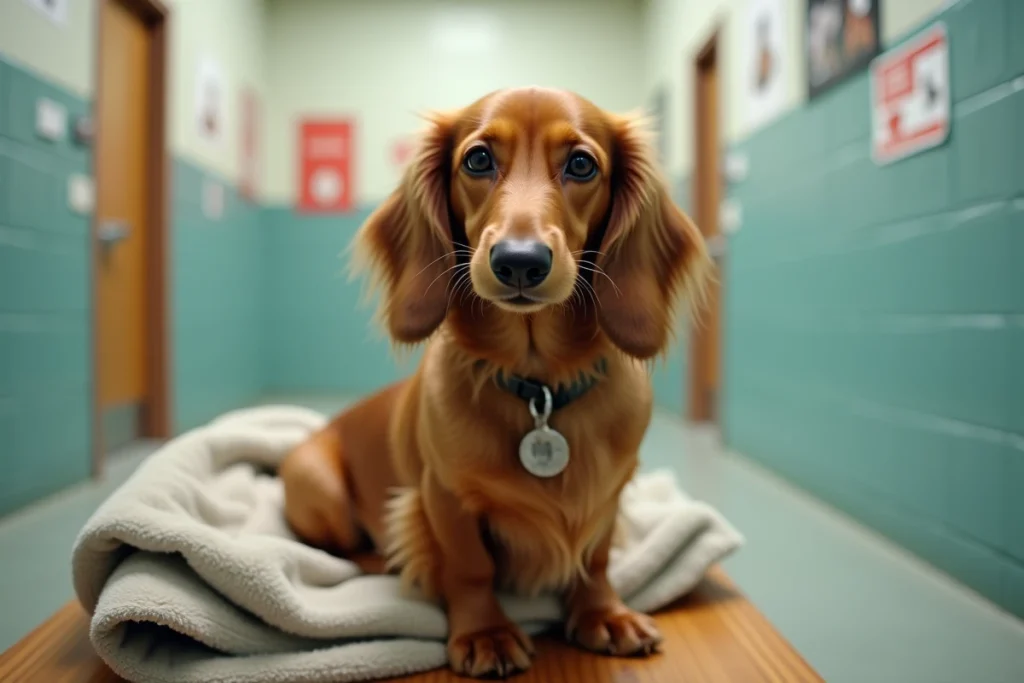
The long-haired dachshund attracts attention with its elegant appearance and assertive temperament, but the choice of acquisition channel radically changes the nature of the animal you bring home. Shelter, registered breeding, or transfer between individuals: each channel involves different guarantees, health risks, and legal frameworks that must be understood before signing anything.
Transfer contract and withdrawal period: what the law requires regardless of the channel
Any transfer of a dog in France, whether free or paid, requires a written contract and identification by microchip or tattoo before handing over the animal. This obligation applies to both professional breeders and individuals giving away a puppy on an advertisement platform.
The fourteen-day withdrawal period protects the adopter, including through an association or a breeding facility. In a shelter, this period is often accompanied by post-adoption follow-up with a home visit. However, with an individual, recourse in case of hidden defects is more difficult to assert due to a lack of structured veterinary traceability.
We recommend systematically checking that the veterinary certificate mentions a complete clinical examination, the date of initial vaccination, and the identification number. The absence of any of these elements is a warning sign, regardless of the channel. A comprehensive guide on adopting a long-haired dachshund on Chiens et Chats details the documents to require upon handover.
If you plan to travel with your dachshund, rabies vaccination becomes mandatory for any border crossing within the European Union. This point is rarely mentioned by individual sellers, while a serious breeder or shelter includes it in the vaccination protocol.
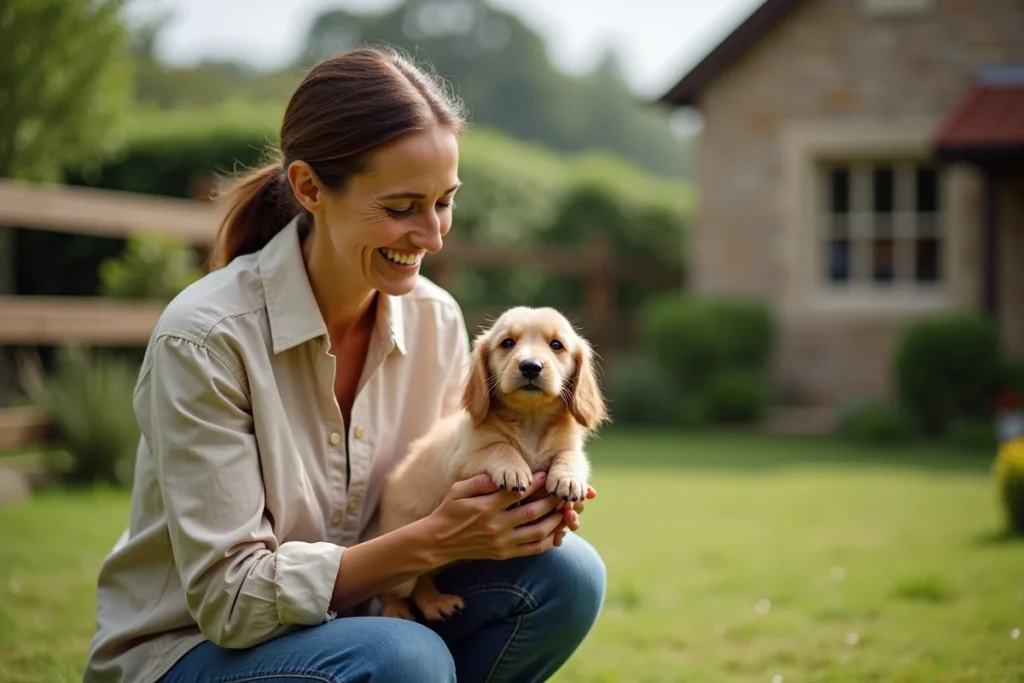
Long-haired dachshund breeding: health selection and bloodlines
A registered breeding facility with the agricultural chamber is required to provide a SIREN number and comply with installation standards. This administrative status does not guarantee the quality of selection, but it opens the door to regular veterinary control and traceability of breeders.
Pathologies to monitor in long-haired bloodlines
The long-haired dachshund shares with other varieties a predisposition to disc hernias related to its chondrodystrophic morphology. The elongated back and short legs increase pressure on the intervertebral discs, a risk that is partly managed through the selection of breeders.
We observe that breeding facilities specializing in long-haired dachshunds are increasingly testing the parents for intervertebral disc disease. Ask for the results of the parents’ orthopedic examinations: a breeder who refuses to provide them or claims not to have conducted them deserves your consideration to look elsewhere.
- Require screening for eye defects (progressive retinal atrophy), common in certain long-haired bloodlines
- Check that the sales contract mentions a guarantee against hidden defects defined by the rural code
- Confirm that the puppies have been socialized in a home environment, not just in an outdoor kennel, as the temperament of the dachshund sets in very early
Adopting a long-haired dachshund from a shelter or specialized association
Long-haired dachshunds rarely appear in generalist shelters. Their popularity and small size mean they are quickly adopted, often before even being listed on adoption platforms.
The association Teckels Sans Doux Foyer, established in 2007 and recognized as a public utility since 2010, is dedicated exclusively to the rescue and rehoming of dachshunds throughout France. This type of specialized structure offers a decisive advantage: volunteers understand the behavioral characteristics of the breed and assess compatibility with your home much more accurately than a generalist shelter.
In an association, the animal has generally been placed in a foster home. Therefore, you receive concrete feedback on its behavior indoors, its cleanliness, its reactivity towards other animals, and its tolerance towards children. A dachshund evaluated in a foster home presents fewer behavioral surprises than a dog observed only in a shelter kennel.
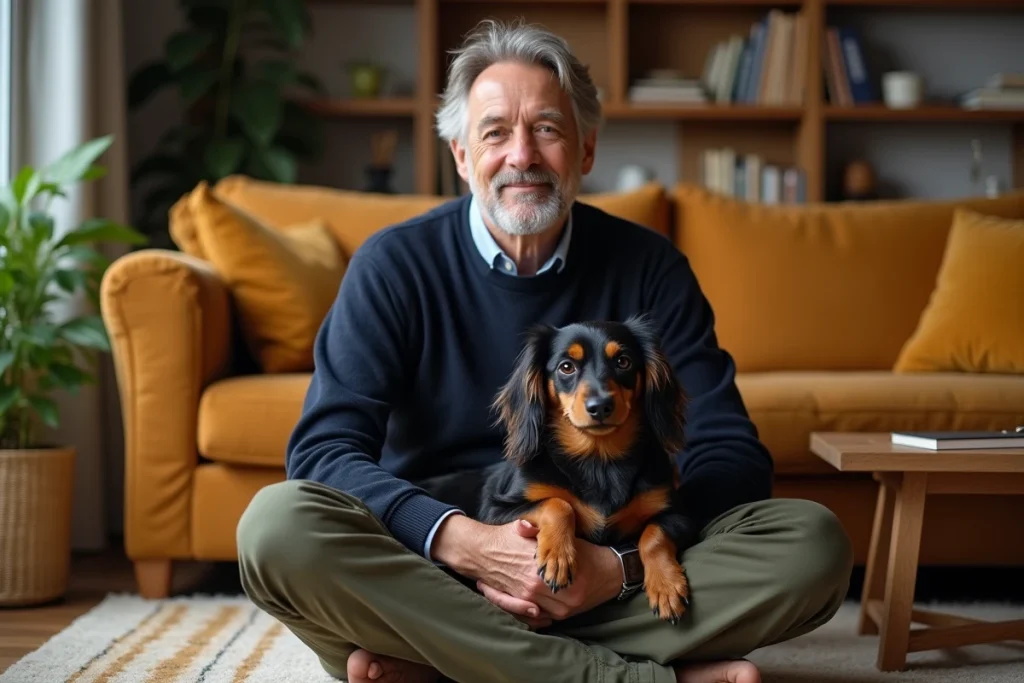
Typical profile of dachshunds available in associations
The majority of rescued dachshunds are adults, often coming from situations of family separation or the owner’s death. Puppies remain exceptional in this circuit. An adopter ready to welcome a dachshund aged three to eight years gains access to an animal whose character is stabilized and whose potential health issues are already identified.
Transfer between individuals: specific pitfalls for long-haired dachshunds
Advertisements between individuals represent the riskiest channel for this variety. The long hair of the dachshund requires regular maintenance (brushing, detangling the fringes on the ears and under the belly), and a puppy sold by an individual often has not received any structured socialization.
The price asked by an individual is generally lower than that of a breeding facility, but this apparent saving masks potential veterinary costs. Without screening for hereditary defects or complete vaccination follow-up, the first months at the veterinarian can easily offset the difference.
- Ask to see the mother in her daily environment: an individual who refuses this visit is likely hiding unsuitable breeding conditions
- Check that the puppy has been registered with the national identification file (I-CAD) before handover
- Beware of ads offering multiple breeds simultaneously, a frequent sign of illegal breeding disguised as a private transfer
Temperament of the long-haired dachshund: what changes depending on the origin
The long-haired dachshund is known to be gentler and calmer than its short-haired or wire-haired cousins. This difference in temperament, linked to historical crossings with spaniels, is particularly evident in individuals from bloodlines selected in breeding.
A dachshund adopted from a shelter after an unknown past may exhibit more wary or territorial behavior. This is not a fault of the breed, but rather a consequence of a lack of early socialization. Planning a few sessions with a canine behavioral educator in the first weeks significantly facilitates integration.
The choice between shelter, breeding, and individual does not boil down to a budget question. It determines the level of information you have about the health, behavior, and history of the animal. A well-selected long-haired dachshund or one correctly evaluated in a foster home remains an endearing and robust companion, provided you have asked the right questions before signing the contract.